104 PATTERN / PLESSEY Mk. 4 MINIATURE CONNECTORS
DESCRIPTION
104 Pattern connectors, or the Plessey Mk. 4, Mk. IV, "miniature plugs and sockets", or simply also known as just "Plessey Plugs" are widely used in many aircraft designed during the 1950's and 60's. They are lightweight, robust, pressure sealed, and re-configurable. The contacts use solder buckets and can be fully dis-assembled for cleaning.
Compatible connectors are still manufactured today by Weald Electronics (distributed by sister company FC Lane Electronics), as the "LMF" range with more contact configurations, additional contact sizes, and environmental ratings; see references. But this article is about the original 1950's / 1960's "Mk. 4" plugs and sockets.
Types and sizes
Available in three body types: free units (cable mounted), fixed units (panel or bulkhead mounted), or cable coupler units (similar to a fixed unit but cable mounted, useful for test equipment.
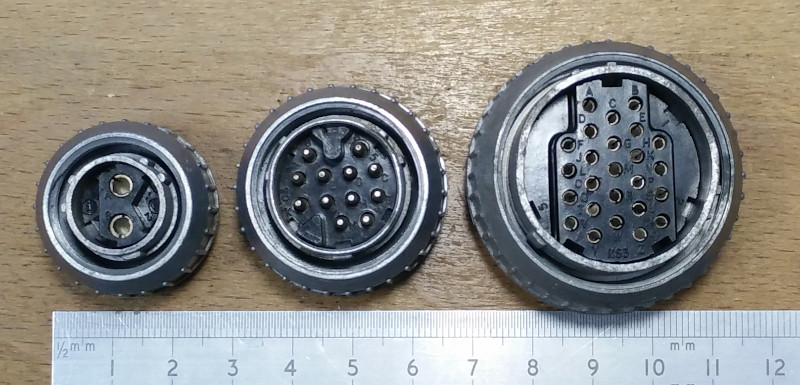
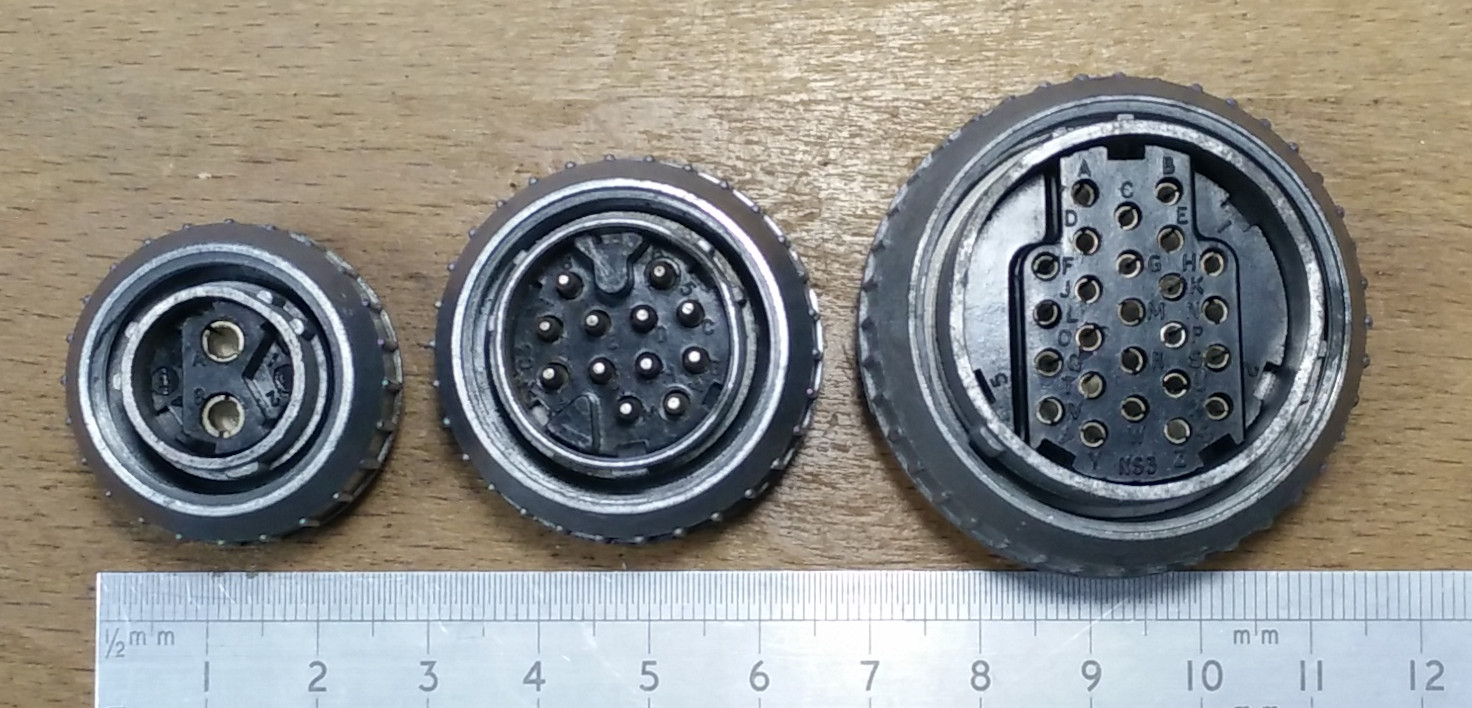
Plessey Mk. 4 connector body size comparison, these three examples are summarised below from left to right:
| Body size | 1
Small | 2
Medium | 3
Large |
|---|
| Unit type | Free unit | Free unit | Free unit |
|---|
| Gender | Socket | Plug | Socket |
|---|
| Contacts | 2 | 12 | 25 |
|---|
| Contact Rating | 19 A | 5 A | 5 Amp |
|---|
| Insulation Rating | 250 V | 250 V | 250 V |
|---|
Three body sizes were manufactured: small, medium and large. Each body size can be fitted with a selection of different contact configurations, made possible by using a range of different plastic inserts for different quantities, sizes, genders (plug or socket), and layouts of contacts.
Contacts
Two contact sizes are used, the smaller rated for 5 A, and larger or 19 A duty. Where multiple rows of 5 A contacts are used, such as 12+ way connectors, the contacts fitted to the central positions are made longer than those fitted to the outer positions, this is to aid the soldering of conductors.
Orientation keying
Contacts are mounted in plastic inserts which can be set at different orientations within the body, the insert is made with external slots which engage with a protrusion within the body. The insert is retained by a small threaded ring at the rear, within the body.
Free units, fixed units, and cable coupler units can be configured as either plug (male contacts) or socket (female contacts) by changing the insert and contacts. The inserts are marked with "P" or "S" to indicate plug or socket, and hence the gender of contacts to fit. The terms 'plug' and 'socket' do not relate to free unit vs fixed unit.
Ingress protection
Fixed units and cable coupler units contain a rubber gasket to seal against the end of the free unit when mated, blank connector bodies and dust caps can be used when not mated to provide sealing.
Plastic inserts contain rubber gaskets to seal the insert against the inside of the body. For connectors with 5A contacts, this single gasket also seals against the contacts, but 19A contacts carry their own O-Ring.
Fixed unit mounting flanges are fitted with an O-ring, allowing sealing to the panel they are mounted to.
When supplied new, the connectors are tested to 20psi, making them suitable for pressure bulkhead use. Once disassembled and re-assembled for example to change keying, the pressure rating cannot be guaranteed unless re-tested.
Accessories
Accessories include straight or 90° elbow back shells, outlet nut, rubber back shell sealing gasket, and various forms of strain relief cable clamps and braided screen attachments which are selected to suit the cable assembly.
The rear of the free unit is made with castellations which engage with similar castellations in the back shell flange to lock the shell in position once the outlet nut is tightened. A gasket sits within the castellations to seal the back shell against the body.
Mechanical
All threads are British Standard Whitworth (BSW), to BS 84. A very fine 26 TPI is used for outlet nuts, outlets, union nuts and cable clamps, while slightly coarser 20 TPI is used for the coupling threads. It is noted that in use, the coupling threads tend to start to show signs of wear if they are regularly connected and disconnected, this shows int he form of dark dust, and aluminium "pick-up" on threads. A grease XG-275 (Sotres Ref. No.: 34B/222) is recommended by A.P.4343C, Section 5, Chapter 8, Paragraph 15, which appears to be obsolete as I am struggling to find any information online about this grease.
Some castings are marked as being manufactured by Birmal (Birmingham aluminium).
Other variants
Mk. 7 connectors are sealed/moulded units and do not allow disassembly and re-orientation of the insert, generally found in green colour. They are fully compatible with Mk 4 connectors providing the corrrect orientation can be found.
Brass Mk.4 - a robust variety with bodies and accessories manufactured from brass. Their coupling threads are a coarse mofified Acme style threw thread, making them not compatible with Mk4 or Mk7 connectors. These are generally found on ground equipment and test equipment due to weight, and the fact that the Acme brass coupling thread allows for numerous connections/disconnections before the thread starts to wear, unlike the fine aluminium coupling threads of Mk. 4 connectors.
STANDARDS & SPECIFICATIONS
The 104 pattern connector has been described by the following standards which have evolved over the years:
| Date Published | Standard | Description |
|---|
| Unknown | DEF-5325-2 | Plugs and Sockets, Electrical, Pattern 104 |
| 24/08/1974 | DEF STAN 59-35, Part 1, Section 2 | Plugs and Sockets, Electrical Pattern 104, Sealed, with Soldered Terminations and Threaded Coupling, for d.c. and Low Frequency Applications |
DATES
No exact date has been found yet to define when Mk4 miniature connector entered service, but the following extract from a Breeze connector memorandum from 1953 indicates the start of their use in aircraft design:
Source: Standard Design Memorandum, SDM(A) 16-2, 1953, Electrical Plugs and Sockets, Breeze Series, Notes, (h):
Where for space and/or weight consideration it is impracticable to use a standard Breeze plug or socket a miniature Mk.4 type to RCL.321 may be employed with prior agreement of RD.Inst.(E1)1.
EXAMPLES
Example No. 1:
| Manufacturer: | Plessey |
| Manufacturer P.N.: | TBC |
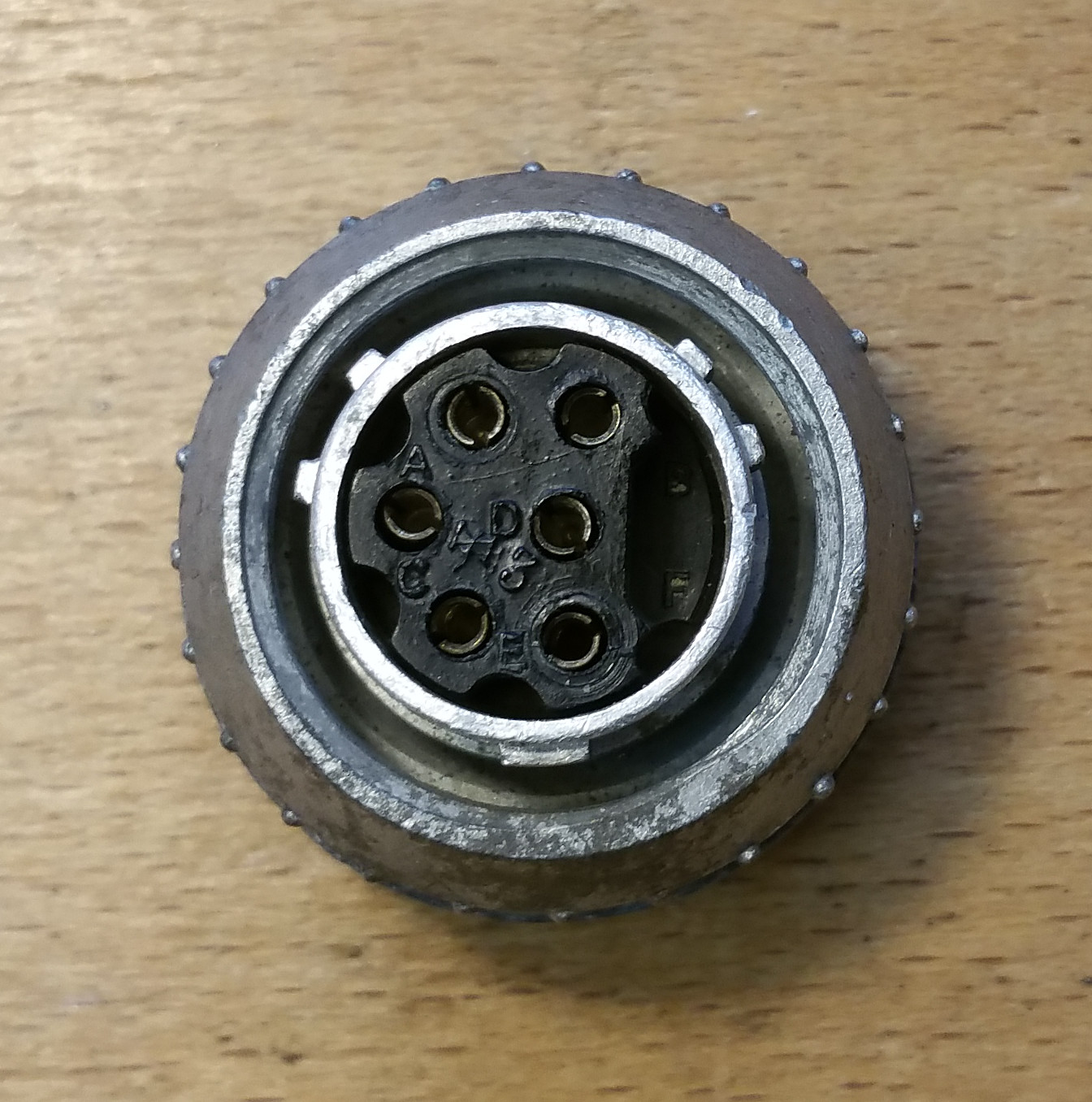
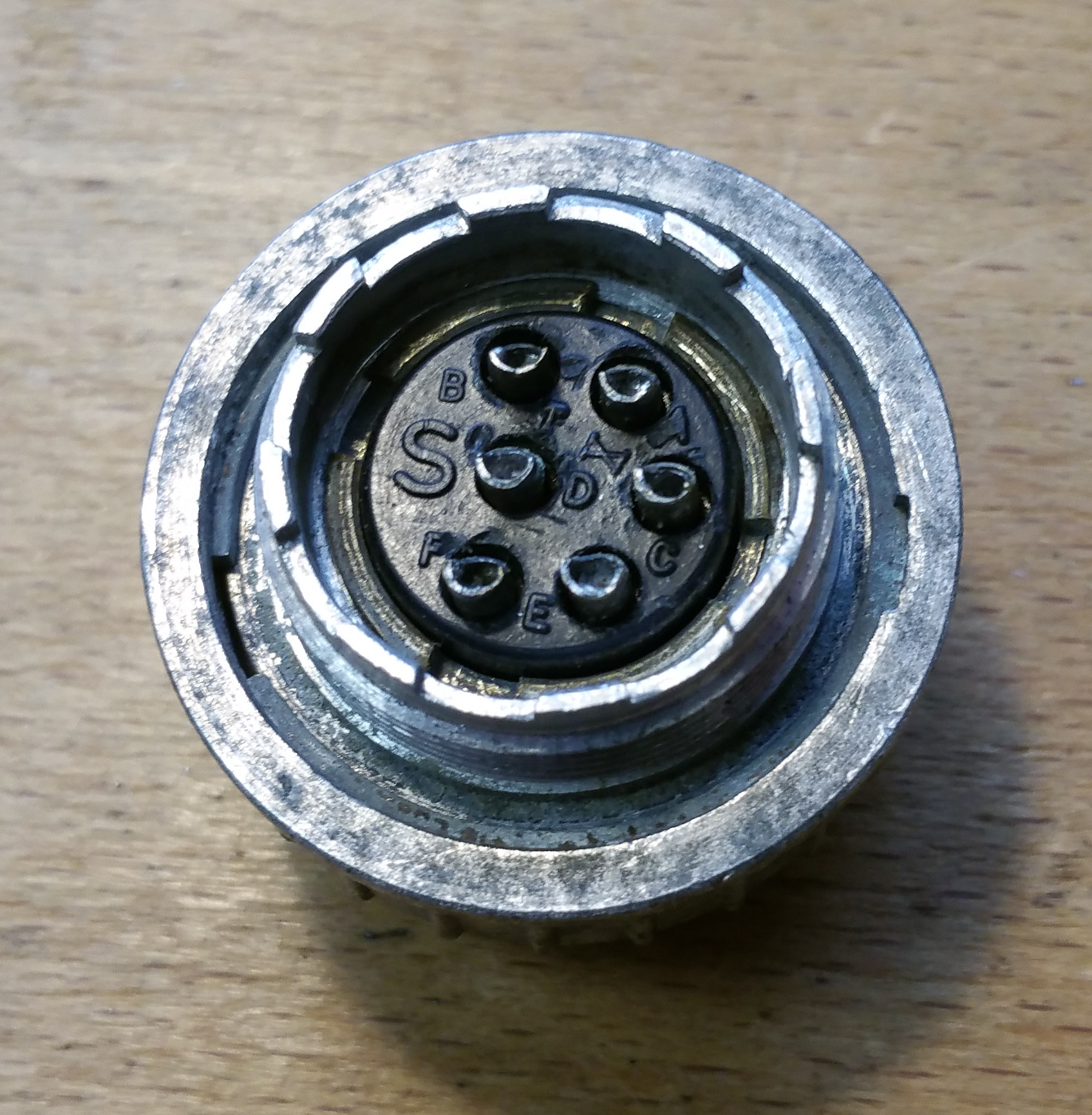
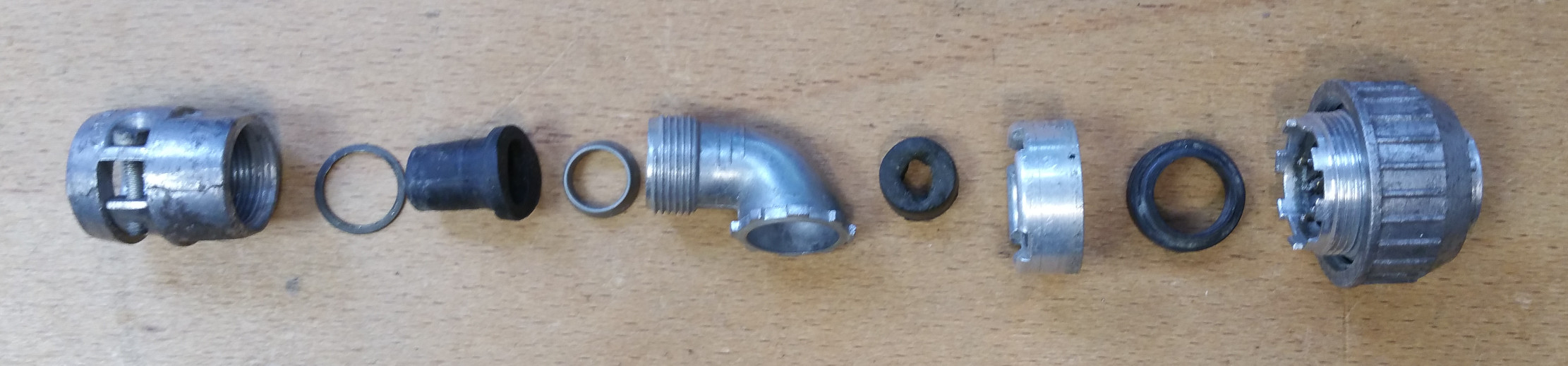
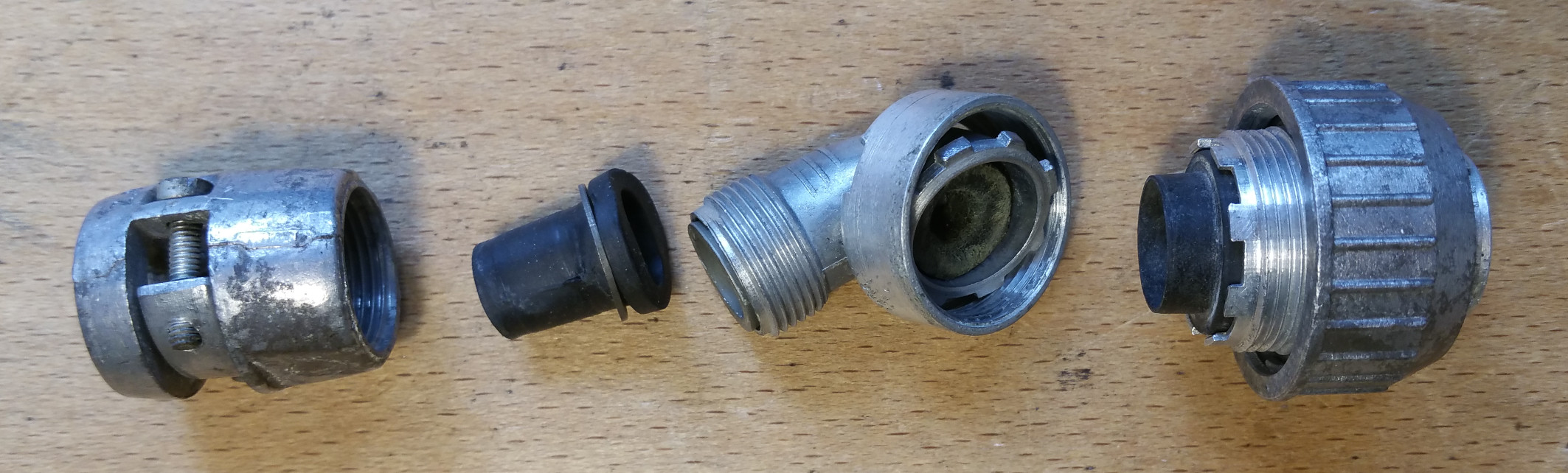
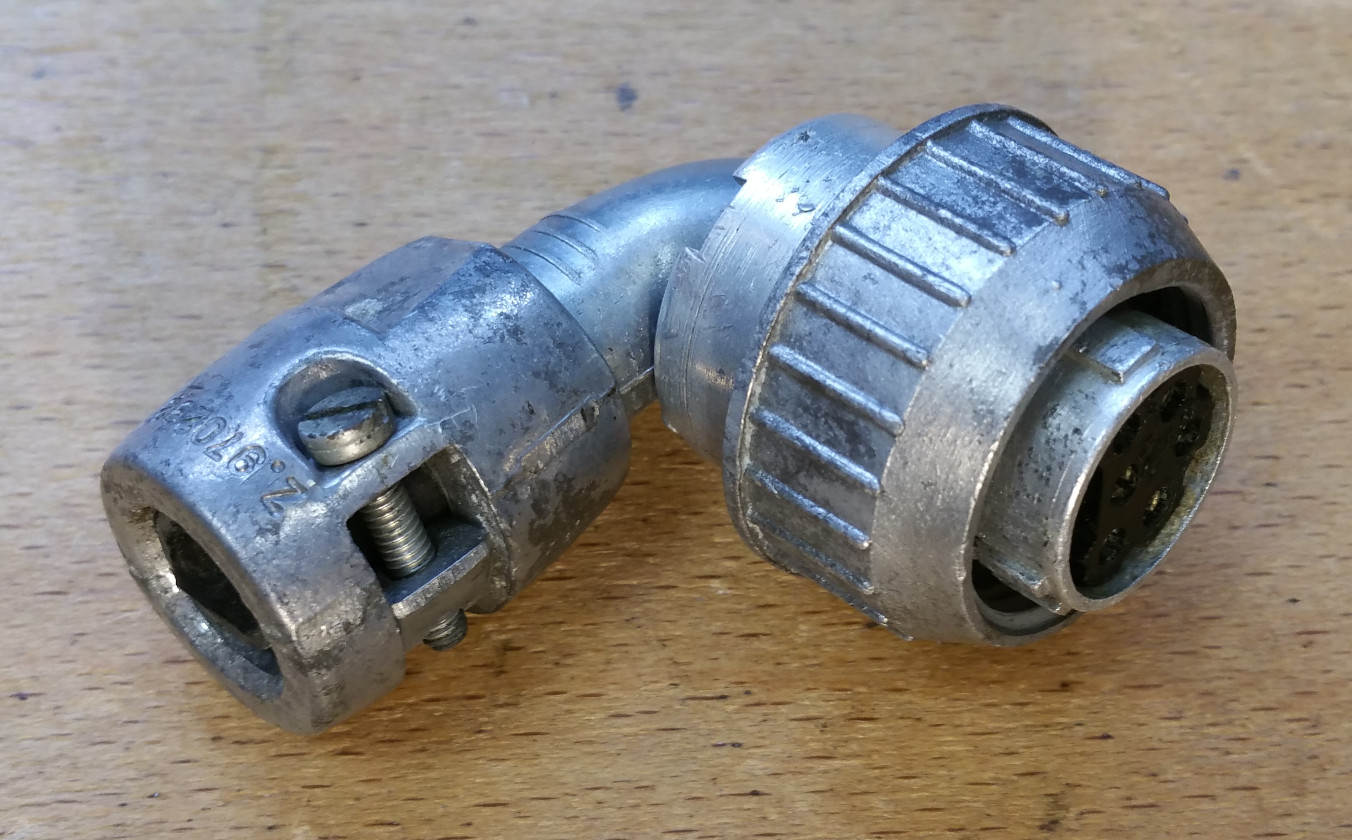
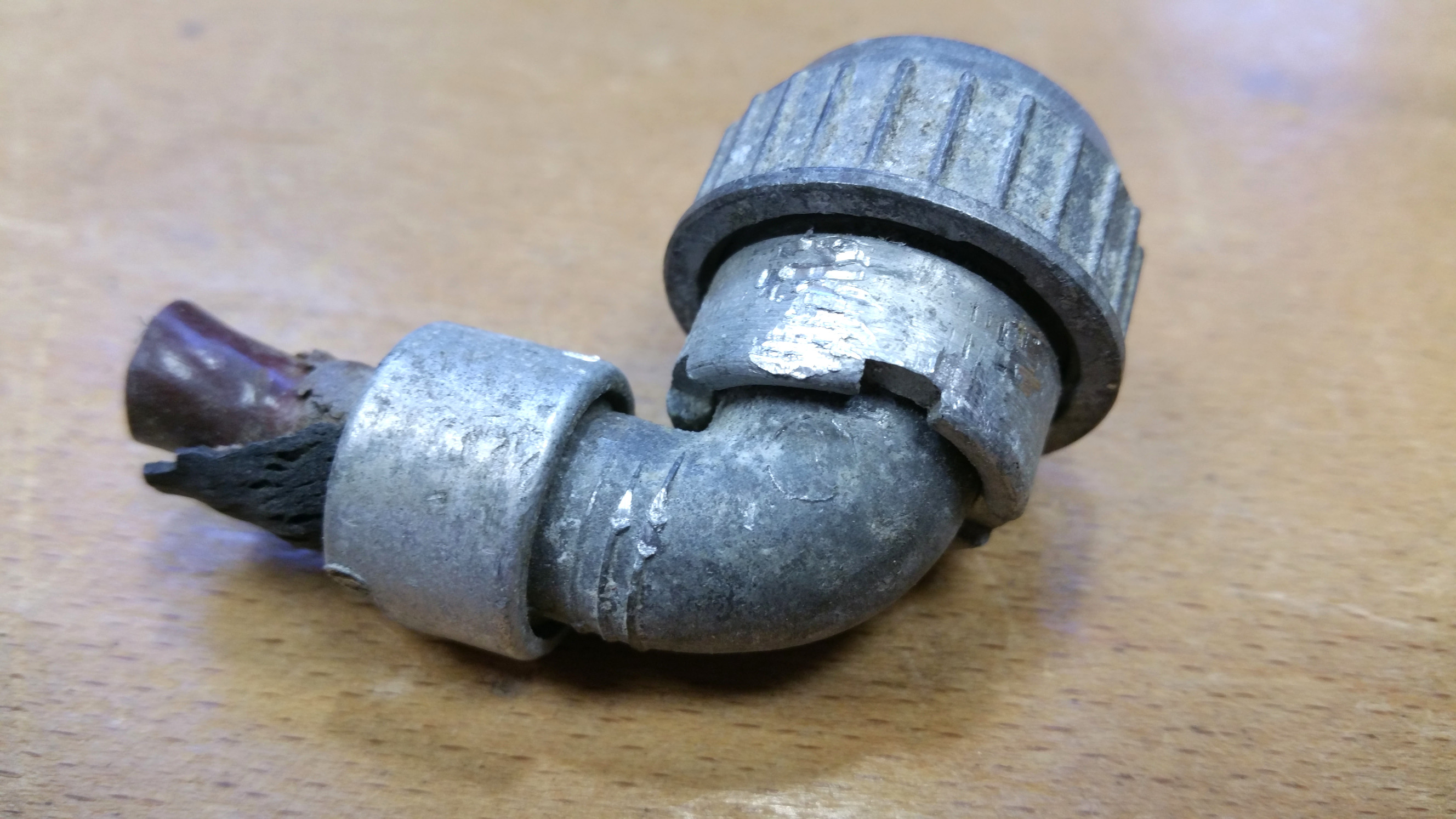
This 6 way free socket example is shown with 90° back-shell, and clamp type cable strain relief accessories, typical of the Lightning aircraft. It was badly corroded, but some light restoration has cleaned it up for simulator use.
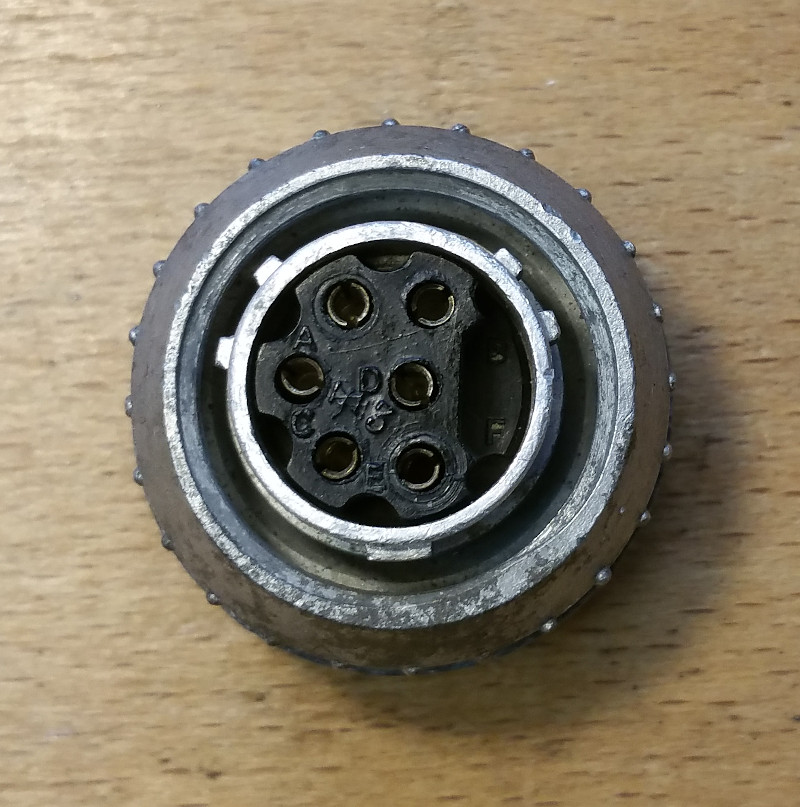
Plessey Mk. 4 series 6 way free socket contacts
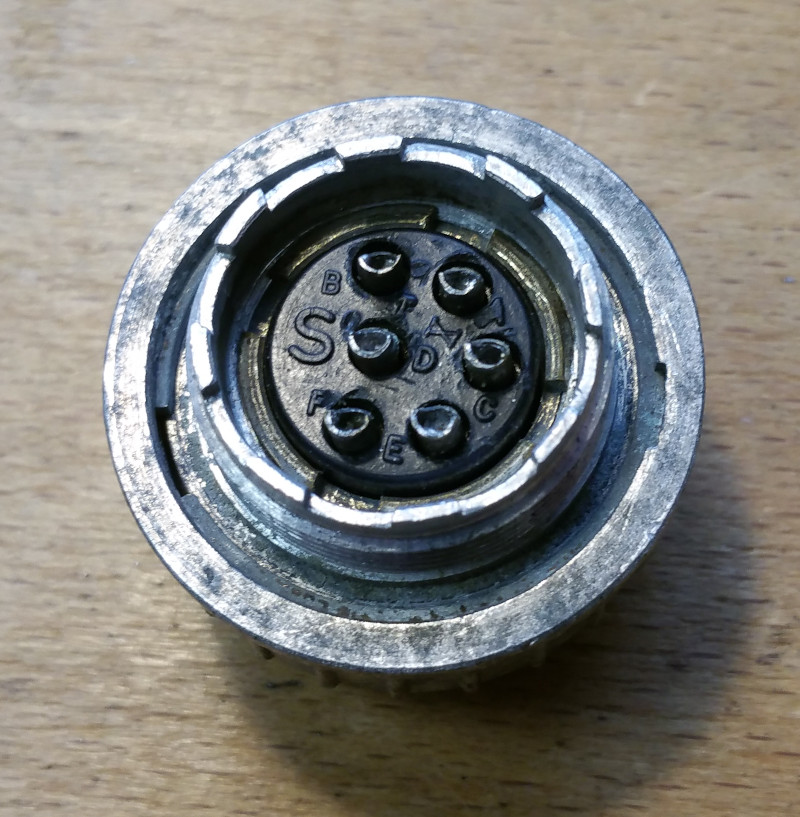
Plessey Mk. 4 series 6 way free socket solder buckets, note the insert is marked "S" for socket contacts
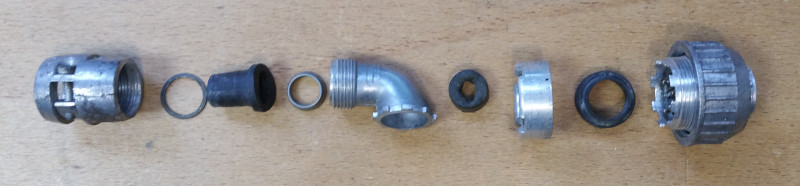
Plessey Mk. 4 series 6 way free socket and cable strain relief accessories - exploded
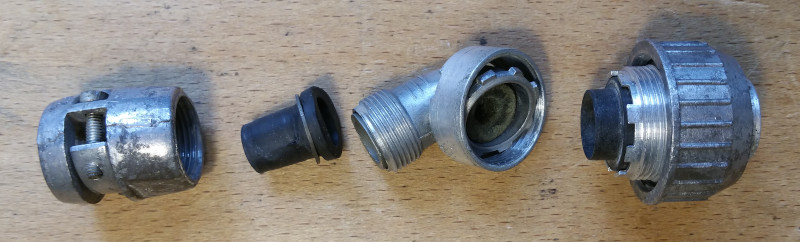
Plessey Mk. 4 series 6 way free socket and cable strain relief accessories - partly assembled
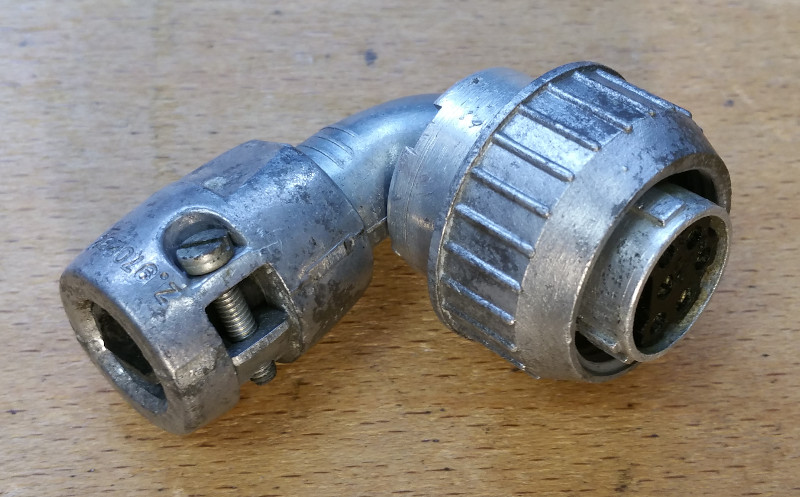
Plessey Mk. 4 series 6 way free socket and cable strain relief accessories - fully assembled
TOOLING
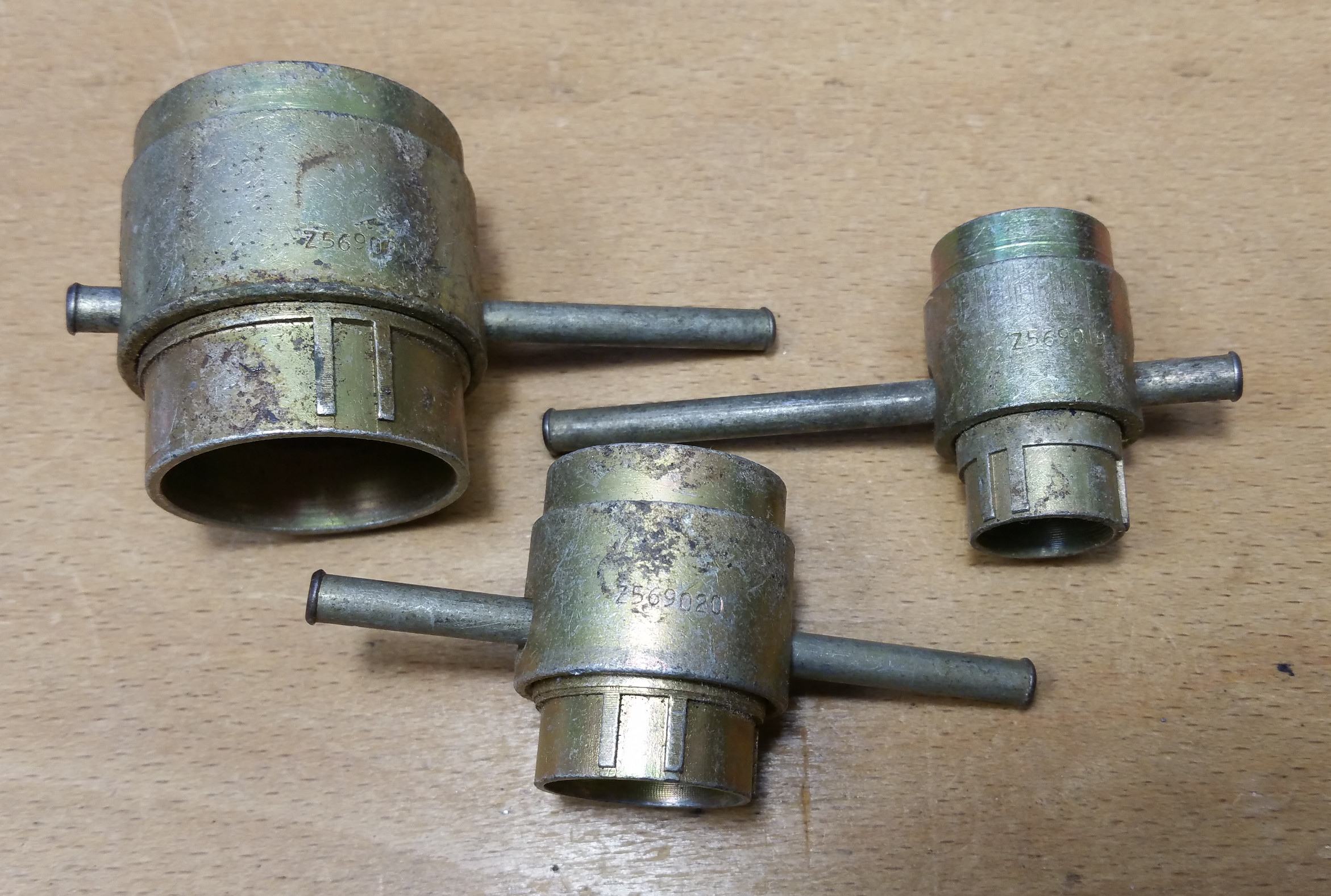
A set of special tools for the Mk4 connector makes assembly straightforward. Without the correct tools, it is easy to damage the soft body and nuts while trying to improvise.
Body Holders
A set of three double sided tools are used for holding the connector bodes while nuts are tightened. The two sides of the tools allow for holding either the fixed units or free units. The tools use the keyways of the body to restrict movement.
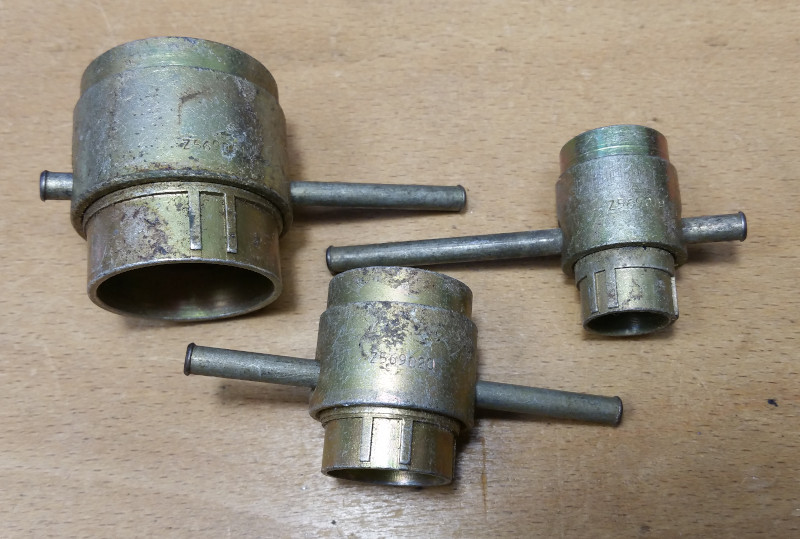
Plessey Mk. 4 series body holder tooling
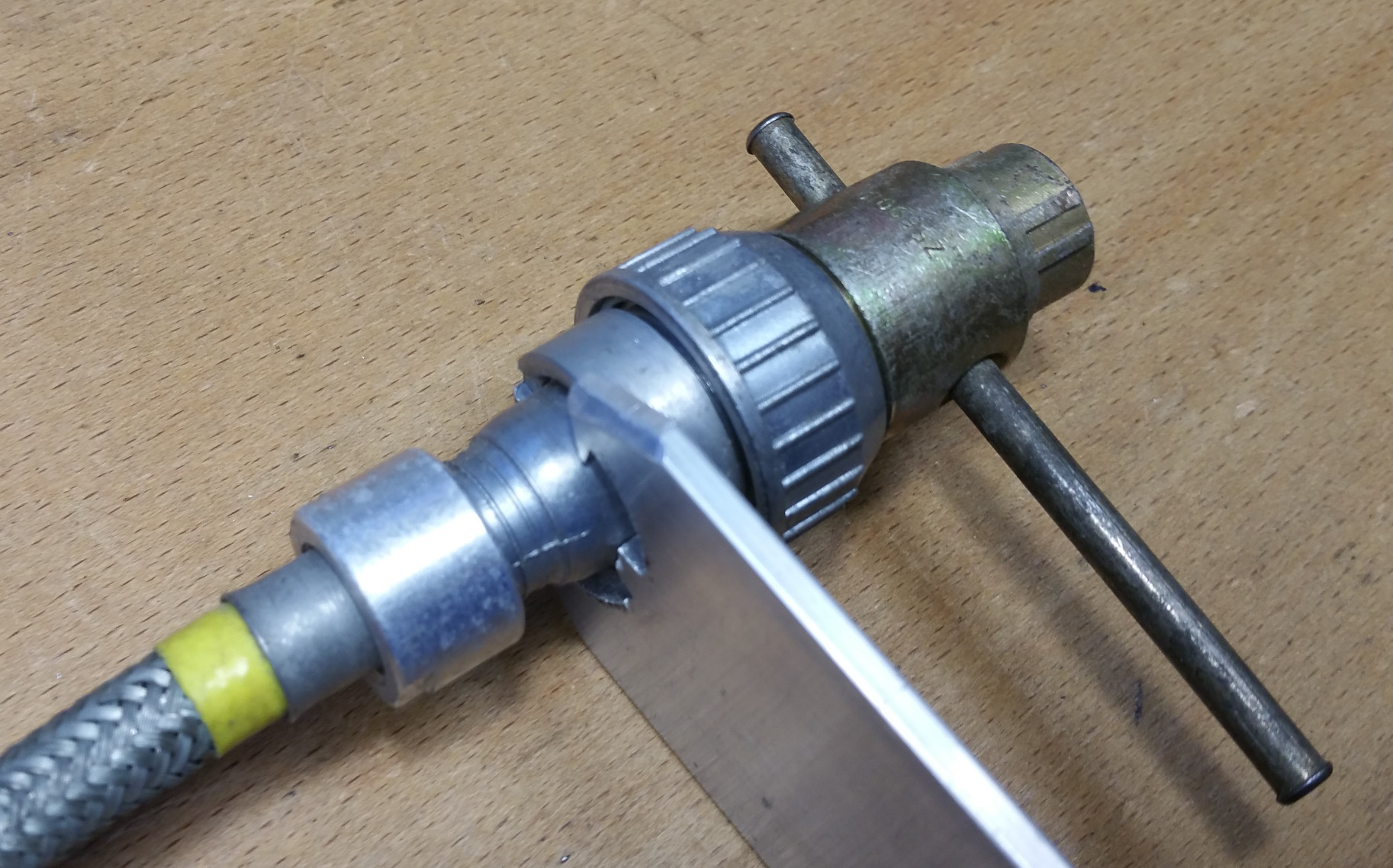
Demonstrating these tools, below is a 6-way small size body Mk. 4 connector, inserted into the body holder, with the outlet nut being loosened using a simple home-made c-spanner.
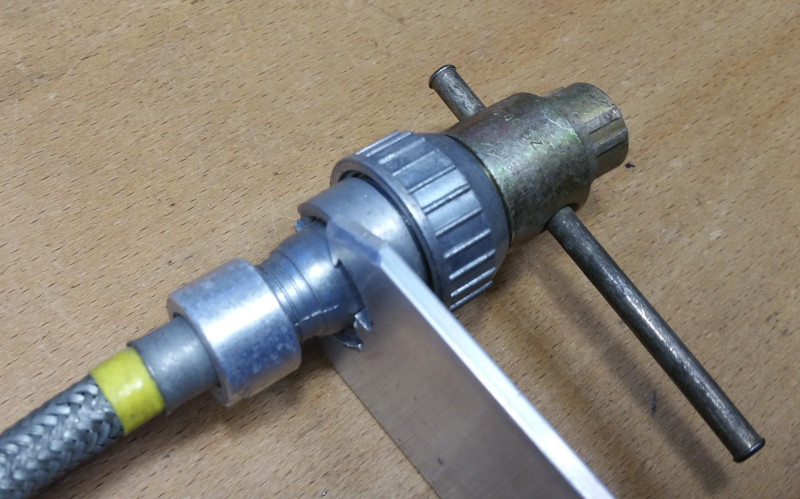
Plessey Mk. 4 series body holder with home-made c-spanner
Evidence of incorrect tool use, such as vice, pliers or pipe grips, etc... the surface of the outlet nut is damaged, and the outlet nut shape is deformed so far that I can't unscrew it.
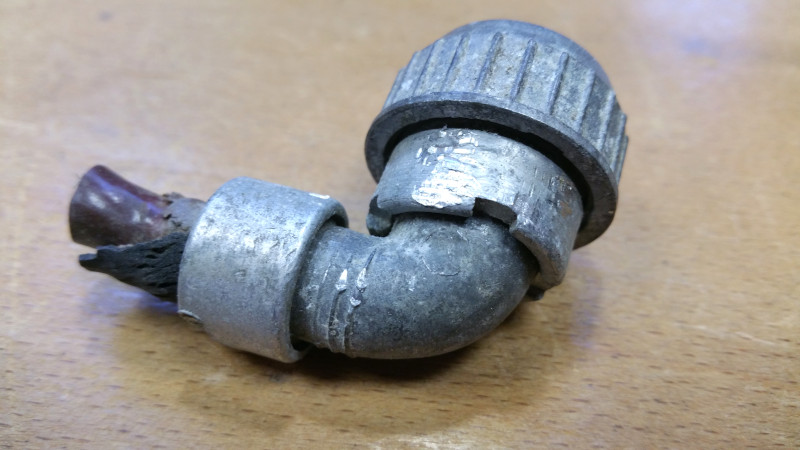
Plessey Mk. 4 incorrect tool damage
ADVERTS
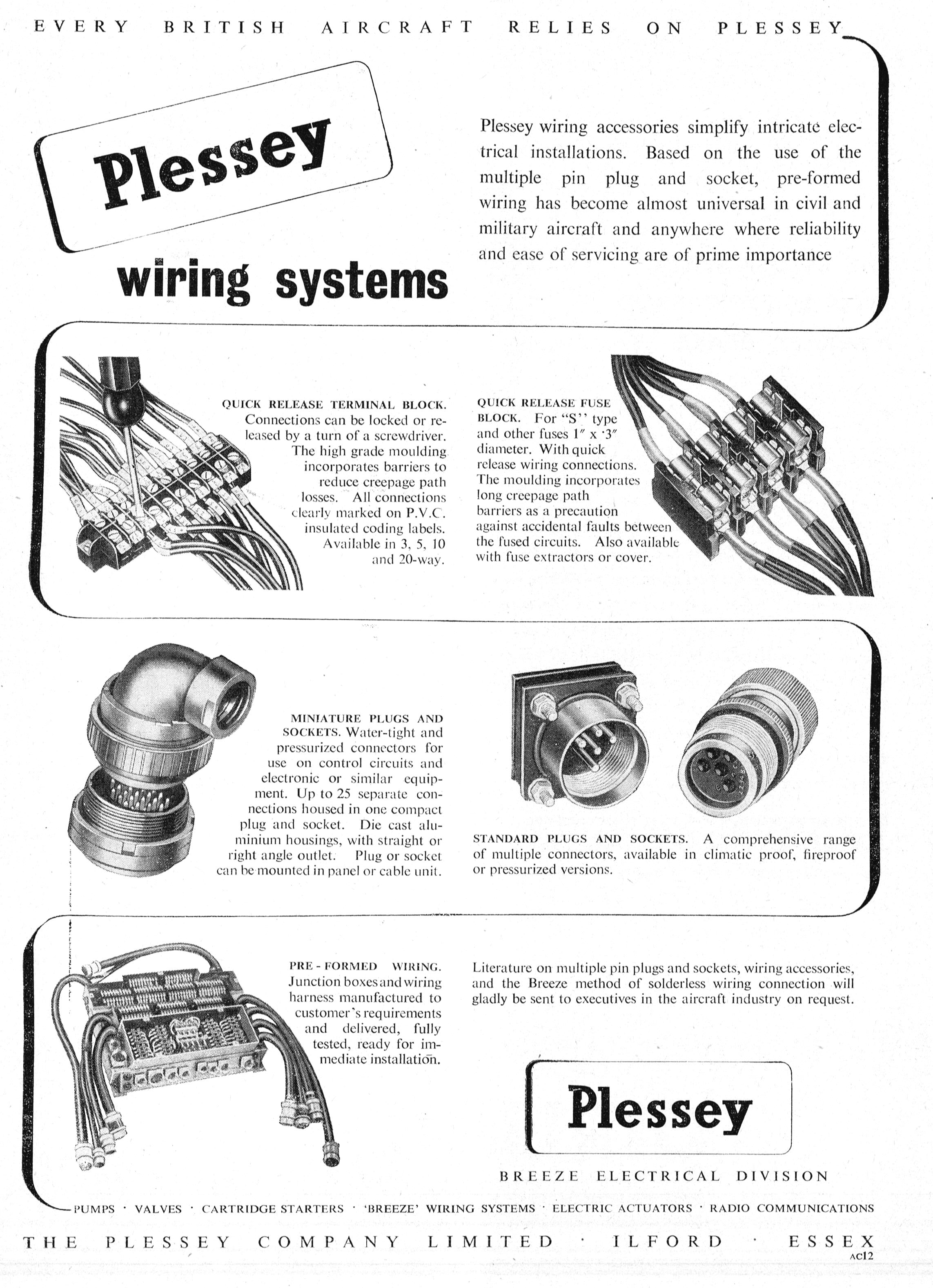
In this first advert from 1950, note the Mk4 connectors are only referenced as "miniature plugs and sockets" with no mention of "Mk4", while the Breeze connectors are referred to as "standard plugs and sockets".
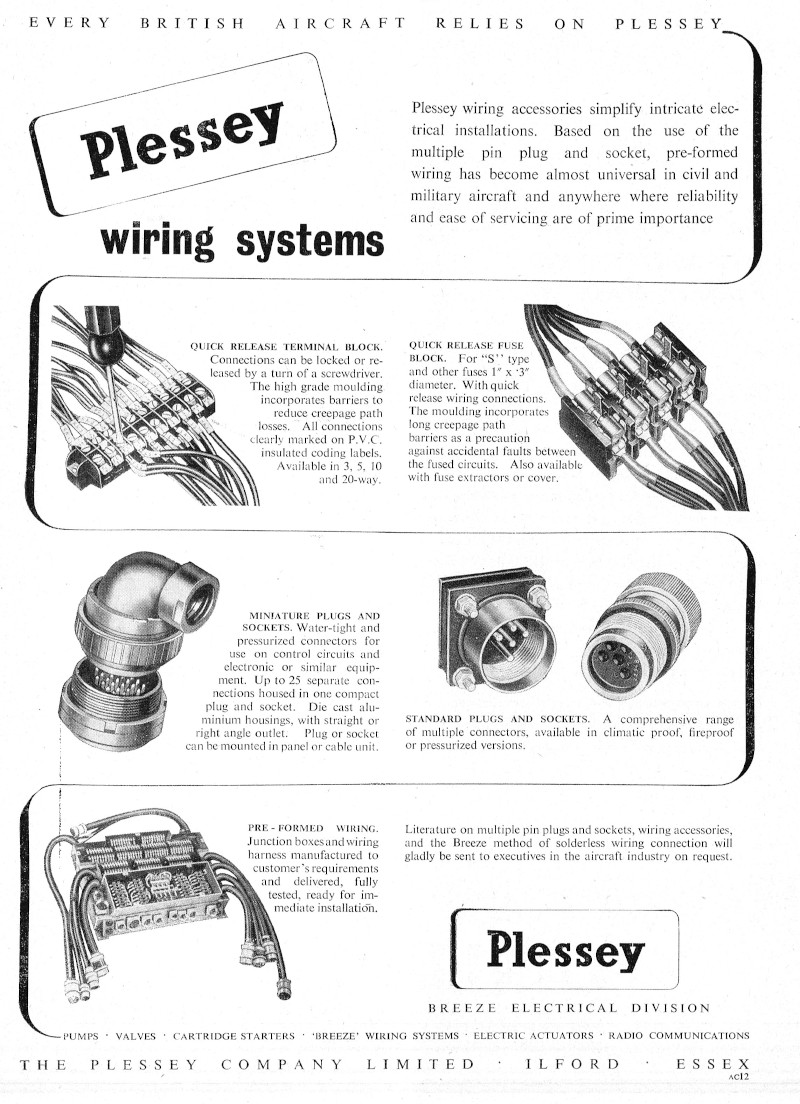
Plessey advert - wiring systems
Published: Aeroplane, 29th December 1950
Source: Aviation Ancestry
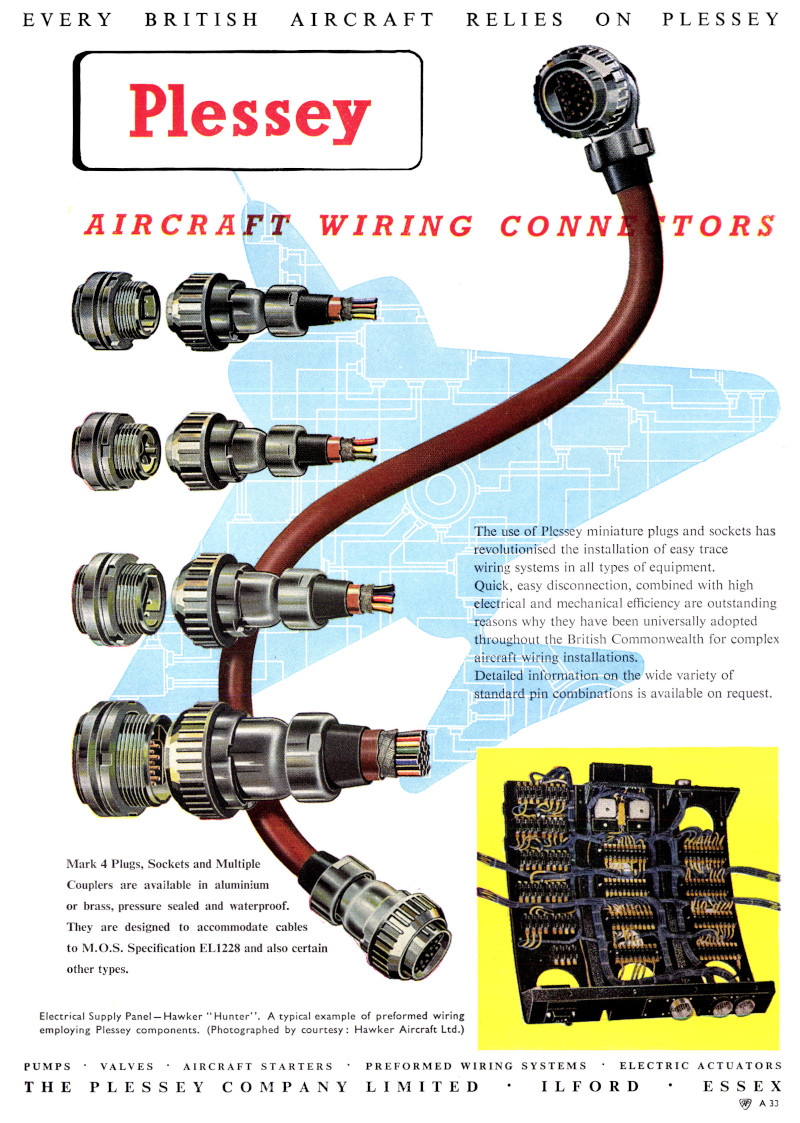
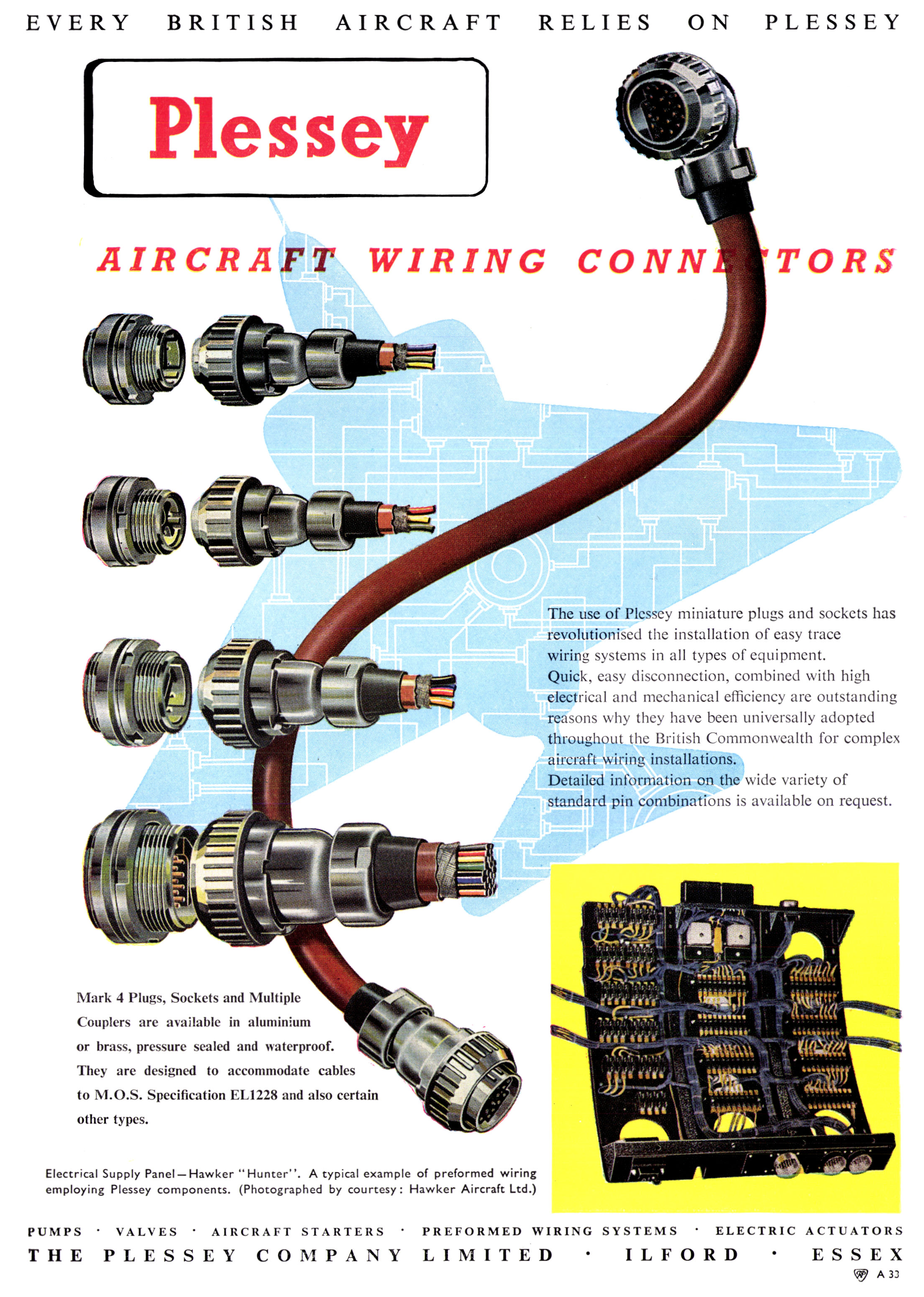
Plessey advert - Mk4 series connectors
Published: Flight, 19th November 1954
Source: Aviation Ancestry

Plessey advert - Mk4 series connectors
Published: Aeroplane, 15th July 1955
Source: Aviation Ancestry
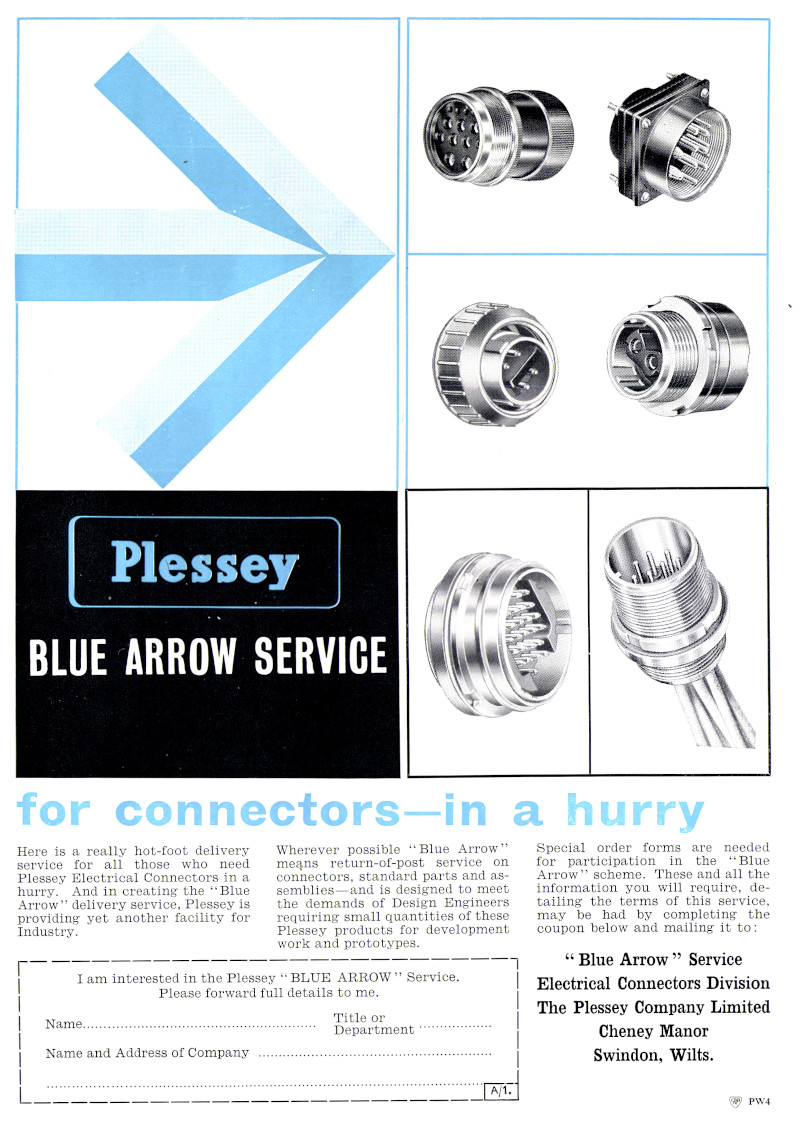
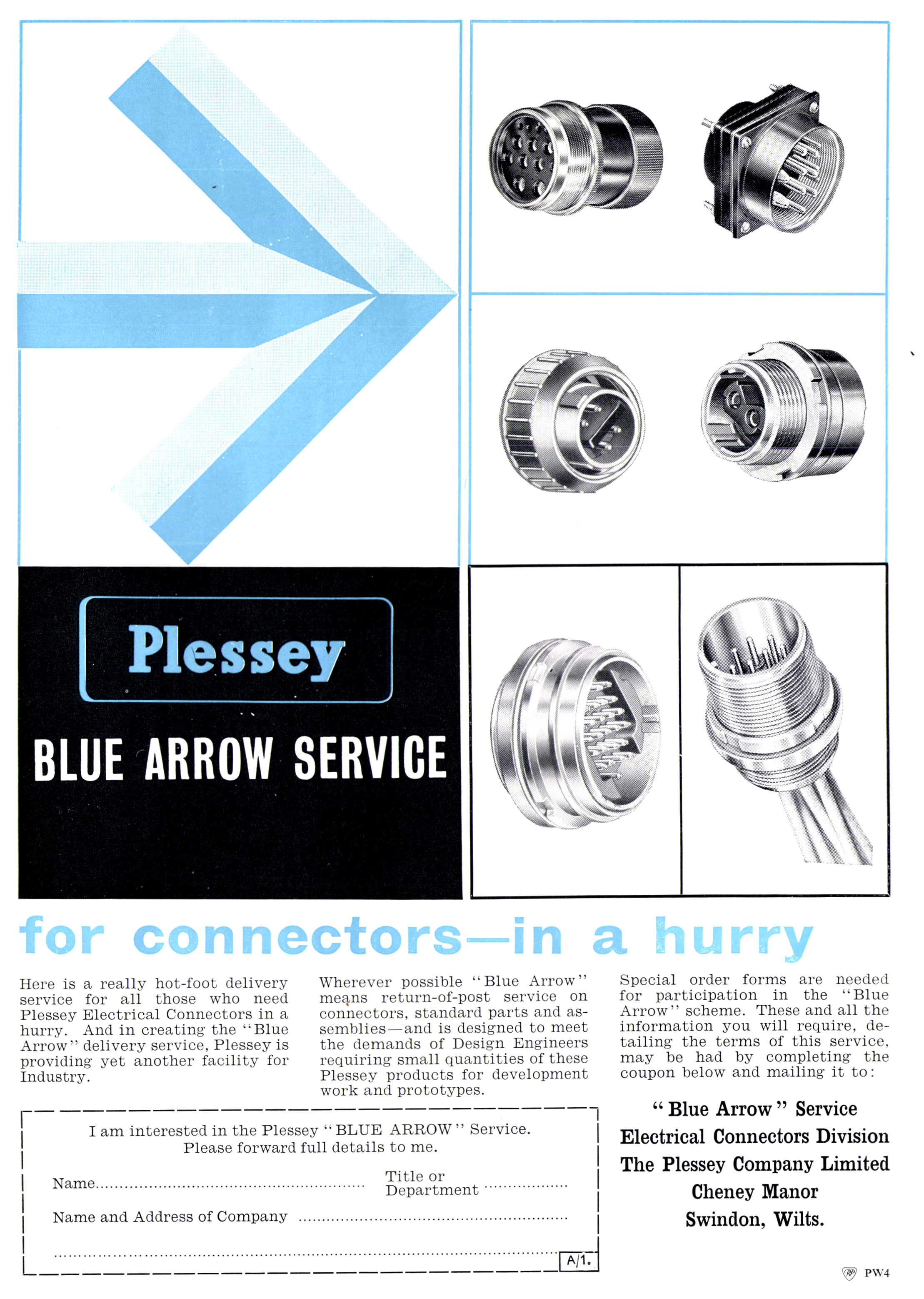
Plessey advert - Blue arrow service
Published: Aeroplane, 29th August 1958
Source: Aviation Ancestry
WANTED
This project and other related projects are always in need of Mk4 connectors so I am trying to compile a small stock. All shapes and sizes considered, used or new old stock, complete or just parts - it does not matter. Donations are very welcome and really helpful, but trading is also possible. If you can help, please get in touch.
REFERENCES
Electrical Manual:
A.P.4343C, Volume1, Section 5, Chapter 8, A.L.3, Sept 1954 - Mk. 4 Miniature Plugs And Sockets
Standard Technical Training Notes (STTN):
A.P.3373, Section 1, Chapter 5, A.L.11, July 1970 - Connectors - Paragraphs 5 to 7
Plessey Catalogue:
Plessey Publication 863, Mk. 4 Aluminium Plugs And Sockets Catalogue
REME Electrical and Mechanical Engineering Regulations (source: royalsignals.org.uk ↗):
EMER Workshop F100, Iss. 1, Dec 1973, Chap 123 Terminating and Jointing Electric Wires and Cables - Paragraph 30
E.T.S. Data Sheets (source: electrojumble.co.uk ↗):
Electronic Technical Services - Data Sheet Section 15A - 1959 to 1964
Weald Electronics LMF & LMG Product Catalogues (source: FC Lane / Weald Electronics LMF connectors ↗):
LMF & LMG Connectors - 23/05/2022
LMF & LMG Connector Accessories - 11/03/2020
EXTERNAL LINKS
FC Lane / Weald Electronics LMF connectors ↗